
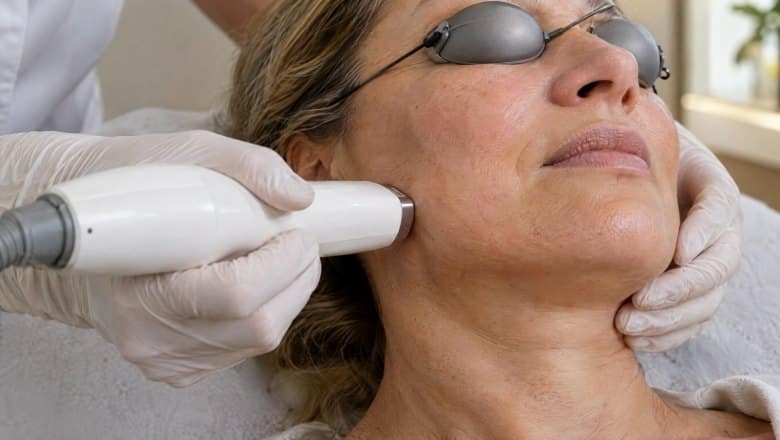
Anyone researching non-surgical lifting in South Florida quickly runs into three names: Fotona 4D, Ultraformer MPT and Morpheus8. Clinic websites and social media often present them as rivals, each promising tighter, firmer skin. In practice they use different forms of energy, reach different depths and suit different problems, which is why a provider may recommend one, two or none of them for a particular face.
A useful way to compare them is to think of the face in layers, from the surface of the skin down to the connective tissue that surgeons tighten during a facelift. Matching the device to the layer that is actually causing the concern is the most reliable route to a result that looks natural, and it is the question worth bringing to any consultation in Palm Beach Gardens or elsewhere.
How Facial Aging Happens in Layers
Aging does not happen in one place. At the surface, sun exposure and time bring uneven tone, rough texture and fine lines. In the dermis beneath, collagen and elastin thin out, so skin becomes looser and crepier. Deeper still, the fat compartments of the face shrink and shift, and the SMAS, a sheet of fibrous tissue connected to the facial muscles, loses some of its support. Together these changes show up as jowls, a softer jawline, deeper folds and a tired look that skincare alone cannot reach.
The facial skeleton also changes with age, which is one reason volume loss is part of the picture for many people. No energy-based device replaces lost volume, so a plan focused only on tightening can leave hollows untouched or even make them more noticeable. That is why a thorough assessment looks at surface quality, skin laxity, deeper sagging and volume separately before any device is chosen.
Fotona 4D: Laser Energy From Inside and Outside the Mouth
Fotona 4D is a laser protocol that combines two wavelengths, Er:YAG at 2940 nm and Nd:YAG at 1064 nm, in four steps during a single visit. One step works from inside the mouth to heat the tissue behind the nasolabial folds and around the lips. Two Nd:YAG steps deliver heat deeper into the dermis, and a final light Er:YAG pass refines the surface. The aim is gradual tightening and brighter, smoother skin, usually with a short recovery.
It tends to suit people with early laxity, fine lines and dull or uneven texture who want improvement across several layers without needles. Because it works in the skin and the tissue just beneath it, it is not designed to lift heavy jowls on its own. Most plans involve a series of sessions, and as with any laser, sun protection afterward matters, which is one reason many South Florida patients schedule laser work during the winter months, when strong sun is easier to avoid.
Ultraformer MPT: Focused Ultrasound for Deeper Lifting
Ultraformer MPT uses micro-focused ultrasound, often called HIFU, to create tiny points of heat at set depths beneath the skin without breaking the surface. Different cartridges target different depths, and the deepest commonly used on the face reach the level of the SMAS. Heating that layer causes it to contract and prompts new collagen to form over the following months, which is why focused ultrasound is the option most often associated with lift rather than texture.
Because the surface is left intact, recovery is usually limited to temporary redness, swelling or tenderness, although the treatment itself can feel uncomfortable over bony areas. It is generally considered for early to moderate sagging along the jawline, under the chin and around the brow. It does little for surface texture, pores or acne scars, and like the other two devices it cannot replace volume that has been lost.
Morpheus8: RF Microneedling in the Dermis
Morpheus8 is a fractional radiofrequency microneedling device. Fine needles enter the skin to a depth set by the provider and release radiofrequency energy at their tips, heating the dermis and, at deeper settings, the fat just beneath it, while most of the surface stays intact. The healing response tightens and thickens the skin and remodels scar tissue, so it is widely used for crepey skin on the neck and jawline, acne scars, enlarged pores and mild laxity.
Recovery typically involves a few days of redness and a faint grid pattern, and many plans call for a series of sessions several weeks apart. Because the energy is radiofrequency rather than light, it is often considered for a wider range of skin tones than many resurfacing lasers, although settings still need careful adjustment to reduce the risk of pigment changes. Results develop gradually as collagen remodels, so the change is usually judged over months rather than days.
Downtime, Timing and Combining Skin Tightening Treatments
Seen together, the three treatments differ as much in the experience as in the target. Focused ultrasound leaves the surface untouched, so most people return to their normal plans the same day, but the sensation during treatment can be strong and providers often discuss comfort options beforehand. Fotona 4D is generally described as comfortable, with warmth during the session and short-lived redness afterward. RF microneedling usually involves topical numbing first and a few days of visible redness afterward, which is the main reason people schedule it away from important events.
The timing of results follows the same pattern of gradual change. Surface brightness after a laser session can show early, while tightening from any of the three develops as collagen rebuilds over weeks to months. That makes it sensible to start well ahead of a wedding, a reunion or the busy social stretch of the winter season in Palm Beach County, and to judge the outcome with photographs taken at the same angle and in the same light rather than by day-to-day impressions in the mirror.
Because the three devices work at different depths, they are often combined rather than chosen between. A common approach is focused ultrasound for structural lift along the jaw, followed by RF microneedling or laser to improve the quality of the skin on top, with sessions spaced so that each layer has time to respond. A plan might also include injectables to restore volume where it has been lost. The sequence and timing should come from the provider who examines the face, not from a package or from whichever single device a clinic happens to own.
There are limits, too. Advanced sagging, heavy jowls and significant loose skin on the neck often respond better to surgery, and a responsible provider will say so rather than sell a series of sessions that cannot deliver. People hoping for a dramatic change from a single visit tend to be disappointed by any energy-based device, since collagen remodeling takes months and results vary widely between individuals. Maintenance treatments are also usually needed, because the aging process continues after the plan ends.
Questions to Ask at a Palm Beach Gardens Skin Tightening Consultation
A consultation should feel like an assessment, not a sales pitch. Useful questions include which layer the provider believes is driving the concern, why a given device suits it better than the alternatives, how many sessions are typical, what recovery looks like day by day, and how progress will be judged, ideally with consistent before-and-after photographs taken in the same light. It is also reasonable to ask who will perform the treatment and how often they use that device.
Patients comparing options for a non-surgical facelift in Palm Beach Gardens will find that clinics offering more than one technology can base a recommendation on anatomy rather than inventory. For seasonal and year-round residents alike, the cooler months are a practical time to begin, since laser and microneedling recovery is easier to protect from strong sun. Whatever the recommendation, results vary, maintenance is usually part of the plan, and suitability is decided only after an in-person examination and a review of medical history.
More Stories
Cryotherapy for Arthritis in Toronto: What the Evidence Says About Winter Joint Pain
Handyman Work in Mississauga Condos: Building Rules to Check Before Any Drilling Starts
Winter Pest Inspection in Stittsville: Reading the Signs Before Spring