
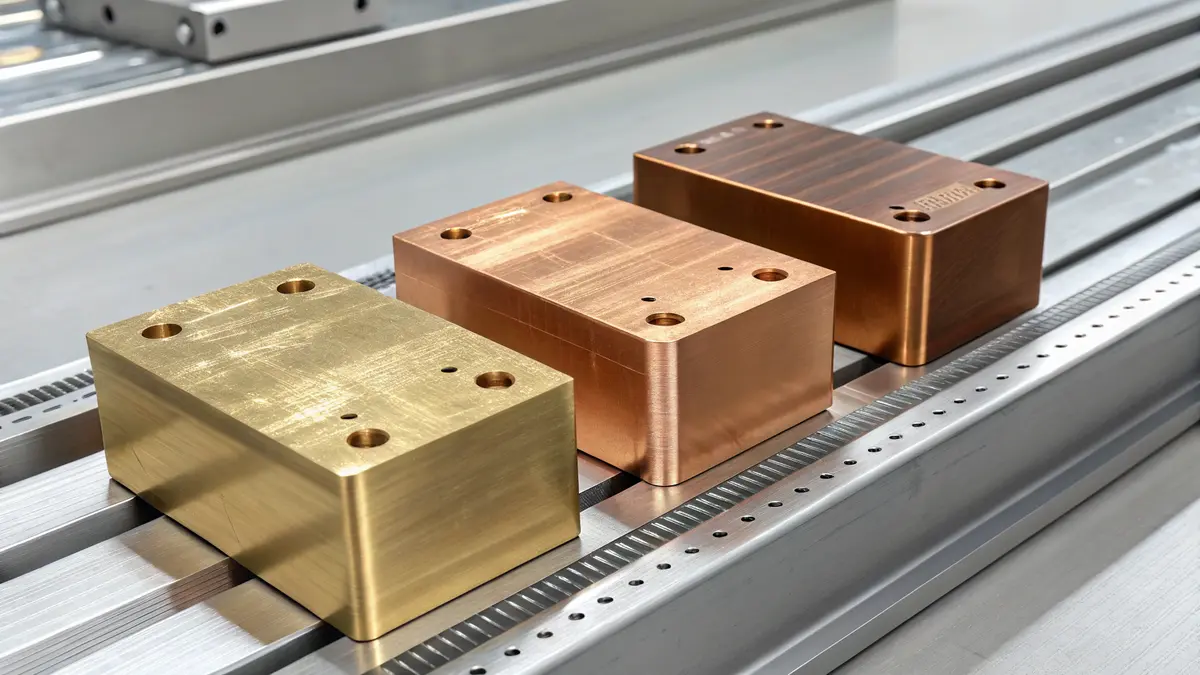
Copper and its most famous alloy, brass, have been foundational to human civilization for millennia. While newer synthetic materials and advanced composites frequently grab headlines, these “red metals” remain irreplaceable in the modern world. Their unique combination of physical, chemical, and aesthetic properties makes them essential for everything from high-tech electronics to architectural masterpieces. Understanding the specific advantages of these Lewis Brass alloys reveals why they continue to thrive in an increasingly digital and automated landscape.
Superior Conductivity and Thermal Management
One of the most significant benefits of copper-based alloys is their unmatched electrical conductivity. Copper is the gold standard for wiring and circuitry, ensuring that energy is transmitted with minimal loss. This efficiency is critical for the development of electric vehicles and renewable energy systems. Similarly, the thermal conductivity of these alloys makes them the preferred choice for heat exchangers and radiators. They move heat away from sensitive components quickly and reliably, preventing system failures in high-performance computing and industrial machinery.
Natural Antimicrobial Properties and Public Health
A benefit that has gained renewed attention in recent times is the natural antimicrobial nature of copper and brass. These metals possess the inherent ability to kill a wide range of harmful bacteria and viruses on contact. This makes them an ideal material for high-touch surfaces in hospitals, schools, and public transportation hubs. Unlike chemical coatings that can wear off over time, the antimicrobial action of copper is a structural property that lasts for the life of the product, providing a permanent layer of protection for public health.
Corrosion Resistance and Marine Durability
Brass and other copper alloys are renowned for their ability to withstand harsh environments, particularly those involving moisture and salt. When exposed to the elements, these metals develop a protective patina that prevents deep-seated corrosion. This durability is why they are the standard for marine hardware, plumbing fixtures, and underground piping. Whether it is a valve in a municipal water system or a propeller on an ocean-going vessel, these alloys provide a service life that spans decades without the risk of rust or structural degradation.
Machinability and Aesthetic Versatility
From a manufacturing perspective, brass is one of the most user-friendly materials available. Its excellent machinability allows for the creation of incredibly intricate parts with tight tolerances, reducing wear on tools and lowering production costs. Beyond functionality, the aesthetic appeal of these metals is undeniable. The warm, gold-like tones of brass and the rich, earthy hues of copper provide a sense of luxury and permanence. Architects and designers continue to favor these alloys for decorative hardware and structural accents because they age gracefully and complement both traditional and contemporary styles.
Sustainability and Infinite Recyclability
As the world shifts toward a circular economy, the recyclability of copper and brass becomes a paramount advantage. These metals can be recycled indefinitely without any loss in their physical or chemical properties. A significant portion of the copper currently in use is estimated to have been recycled multiple times over. This reduces the need for environmentally disruptive mining and requires significantly less energy than refining primary ore. Choosing copper-based alloys is a commitment to a sustainable future where materials are repurposed rather than discarded.
Conclusion
The enduring relevance of brass and copper-based alloys is a testament to their extraordinary versatility. By balancing high performance in technical fields with natural health benefits and environmental sustainability, these metals prove that they are far from being relics of the past. As we continue to innovate in fields like green energy and medical technology, the foundational role of copper will only grow. These alloys remain a cornerstone of modern engineering, providing the reliability, beauty, and efficiency that a sophisticated world demands.



More Stories
AI at the Sportsbook: Personalized Promotions, Automated Compliance and the Regulators Pushing Back
Crypto and Blockchain: Exploring the Next Wave of Digital Innovation
Managing Seasonal Expenses: A Financial Checklist for the Months When Spending Usually Rises