
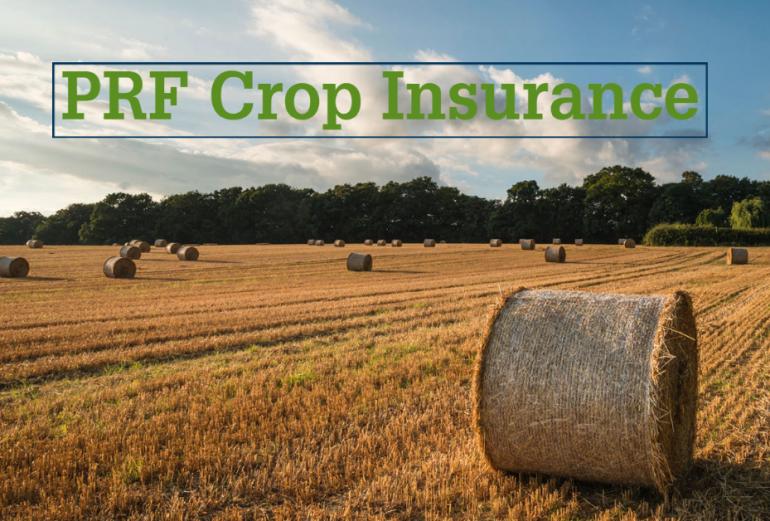
Farmers face a variety of risks every season, from unpredictable weather events to fluctuating market prices. One of the most reliable tools for managing these risks is PRF crop insurance. Designed specifically to protect against revenue losses caused by adverse weather conditions, PRF crop insurance helps farmers maintain financial stability and plan for the future. Understanding coverage options, eligibility requirements, and how to work with top crop insurance agents can ensure that farmers maximize the benefits of this essential program.
What is PRF Crop Insurance?
PRF crop insurance, short for Pasture, Rangeland, and Forage crop insurance, is a federal program that protects farmers and ranchers from revenue loss due to extreme weather events such as drought, excessive rainfall, or other natural conditions that reduce forage production. Unlike traditional crop insurance that primarily focuses on specific crop yields, PRF crop insurance emphasizes the overall production of pasture, rangeland, and forage resources.
The main advantage of PRF crop insurance is that it provides coverage even in unpredictable conditions where standard insurance may not apply. By linking payouts to rainfall index data rather than direct crop loss assessments, this type of insurance streamlines the claims process and reduces administrative delays for farmers.
Understanding PRF Coverage Options
PRF crop insurance policies are designed with flexibility in mind. Coverage levels typically range from 70 percent to 90 percent of expected production value. Farmers can choose a level of protection that best aligns with their risk tolerance and financial needs.
Another key aspect of PRF coverage is the use of a rainfall index. This index tracks cumulative rainfall in designated regions throughout the growing season. If rainfall falls below the insured level, the policy provides compensation based on the deficit. This approach allows farmers to receive timely payouts without needing on-site damage assessments, which can be particularly helpful in large or remote grazing areas.
Farmers may also choose to adjust the coverage period based on seasonal planting and harvesting schedules. By tailoring policies to local conditions, PRF crop insurance offers a personalized approach to risk management that goes beyond generic insurance plans.
Eligibility Requirements for PRF Crop Insurance
To enroll in PRF crop insurance, farmers must meet several eligibility criteria. First, the land must be suitable for pasture, rangeland, or forage production. This includes areas used for grazing livestock or producing hay. Lands that are not actively managed or that do not produce forage may not qualify for coverage.
Second, producers must establish historical data for the insured acreage. This involves providing information on previous yields, rainfall patterns, and management practices. This data helps determine the expected production value, which in turn influences premium rates and coverage levels.
Finally, farmers must work with licensed insurance agents to complete enrollment. Top crop insurance agents are often well-versed in PRF policies and can guide producers through the eligibility process, ensuring that all necessary documentation and requirements are met. These agents play a vital role in helping farmers access the program efficiently and accurately.
The Role of Top Crop Insurance Agents
Selecting the right insurance agent can significantly impact a farmer’s experience with PRF crop insurance. Top crop insurance agents provide more than just policy paperwork; they act as advisors who help farmers navigate complex insurance regulations and coverage options.
Agents assist with risk assessment, recommend appropriate coverage levels, and explain the implications of different policy choices. They also serve as a point of contact during claims processing, ensuring that farmers receive timely payouts when adverse weather affects forage production. By leveraging the expertise of experienced agents, farmers can make informed decisions that protect both their crops and their financial future.
Benefits of PRF Crop Insurance
PRF crop insurance offers numerous benefits for farmers and ranchers. The most immediate advantage is financial security. When weather-related events reduce pasture or forage availability, insurance payouts help offset losses, allowing farmers to maintain operations without incurring significant debt.
Another benefit is risk management. By linking coverage to a rainfall index rather than direct inspections, PRF crop insurance minimizes the administrative burden on farmers. This approach allows producers to focus on day-to-day operations rather than managing complex claims procedures.
Additionally, PRF crop insurance encourages long-term planning. Farmers with reliable coverage can invest in soil management, grazing strategies, and other sustainable practices with confidence, knowing that they have protection against extreme weather conditions. This stability not only supports individual farms but also strengthens local agricultural communities.
How to Maximize PRF Crop Insurance Coverage
Farmers can take several steps to ensure they get the most out of their PRF crop insurance policies. Working closely with top crop insurance agents is the first step. Experienced agents can help assess risk levels, recommend coverage options, and identify potential gaps in protection.
Another key strategy is accurate data reporting. Maintaining detailed records of past yields, rainfall, and management practices helps determine an accurate expected production value, which affects both premiums and potential payouts. The more precise the data, the better the policy aligns with actual conditions.
Farmers should also review their coverage annually. Weather patterns and farm management practices may change over time, and adjusting coverage levels ensures that policies remain relevant and effective. Regular consultation with insurance agents allows farmers to make proactive adjustments rather than reacting after a loss occurs.
Common Misconceptions About PRF Crop Insurance
Despite its benefits, PRF crop insurance is sometimes misunderstood. One common misconception is that it only covers drought. While drought is a primary concern, the program also provides protection against other extreme conditions, including excessive rainfall, flooding, and periods of low forage growth.
Another misconception is that PRF crop insurance is complicated to enroll in or maintain. While the process requires documentation and data reporting, working with knowledgeable agents simplifies enrollment and ensures that farmers meet all eligibility requirements. Top crop insurance agents streamline the process, making it accessible even for first-time participants.
Finally, some farmers assume that PRF crop insurance guarantees full replacement of lost income. In reality, coverage levels vary based on policy selections, and payouts are calculated according to the rainfall index and selected protection levels. Understanding these nuances is essential for realistic planning and risk management.
PRF crop insurance is an essential tool for farmers and ranchers seeking protection from the unpredictable impacts of weather on pasture, rangeland, and forage production. By providing financial security, simplifying risk management, and promoting long-term planning, PRF crop insurance supports the stability and growth of agricultural operations.
Eligibility depends on appropriate land use, historical production data, and enrollment through licensed agents. Partnering with top crop insurance agents ensures that farmers navigate the process efficiently and select coverage tailored to their specific needs.
For farmers looking to safeguard their operations, PRF crop insurance is more than just an insurance policy—it is a strategic resource that enables resilience, sustainability, and peace of mind in the face of natural uncertainties.




More Stories
Cards, wallets and casino account payments at Crystalroll: a concise overview of the general principles
Lunarspins – Bonukset, edut ja pelivalikoima: Casino games ja bonusominaisuudet: käytännöllinen katsaus kasinon perustoimintoihin
Crypto and Blockchain: Exploring the Next Wave of Digital Innovation