

Effective money management is crucial for achieving financial stability and reaching your long-term goals. If you’re looking to make swift improvements in your financial situation, there are several practical steps you can take. By reducing unnecessary expenses, automating savings contributions, consolidating debt, and reviewing and adjusting budgets, you can make significant strides towards better money management. Here’s how each of these strategies can help enhance your financial health.
Reducing Unnecessary Expenses
Reducing unnecessary expenses is one of the most straightforward ways to improve your financial situation. Often, our budgets are bloated with spending that doesn’t add much value to our lives. By identifying and cutting back on these expenditures, you can free up more of your income for savings and investments.
Start by tracking your spending to pinpoint areas where you might be overspending. Common culprits include dining out frequently, subscribing to multiple streaming services, or indulging in impulse purchases. Once you’ve identified these areas, create a plan to cut back. This might mean cooking more meals at home, canceling unused subscriptions, or setting a limit on discretionary spending.
Implementing a “30-day rule” for non-essential purchases can also help curb impulse buying. This rule suggests waiting 30 days before making a non-essential purchase to determine if it’s truly needed. Often, the delay allows you to reconsider and avoid unnecessary expenses.
Automating Savings Contributions
Automating savings contributions is a powerful strategy for ensuring that you consistently set aside money for future goals. By automating your savings, you make the process effortless and ensure that you’re regularly contributing to your financial objectives without the need for constant decision-making.
To automate your savings, set up automatic transfers from your checking account to a savings account or investment fund. Most banks and financial institutions offer this service, allowing you to choose the amount and frequency of the transfers. This approach helps you build your savings effortlessly and reduces the temptation to spend money that should be saved.
Consider automating contributions to specific financial goals, such as an emergency fund, retirement account, or a college fund. This way, you’re consistently working towards achieving these goals and growing your financial reserves over time.
Consolidating Debt
Consolidating debt can be a highly effective way to manage and reduce your debt load. If you have multiple debts with varying interest rates and payment schedules, consolidating them into a single loan can simplify your financial situation and potentially lower your interest rates.
Debt consolidation involves taking out a new loan to pay off existing debts. This can be done through various methods, such as a personal loan, a balance transfer credit card, or a home equity loan. The primary benefit of consolidation is that it combines multiple payments into one, which can be easier to manage and track.
When considering consolidation, look for options that offer lower interest rates compared to your existing debts. This can help you save money on interest payments over time. Additionally, be mindful of any fees or terms associated with the consolidation process to ensure it aligns with your financial goals.
Reviewing and Adjusting Budgets
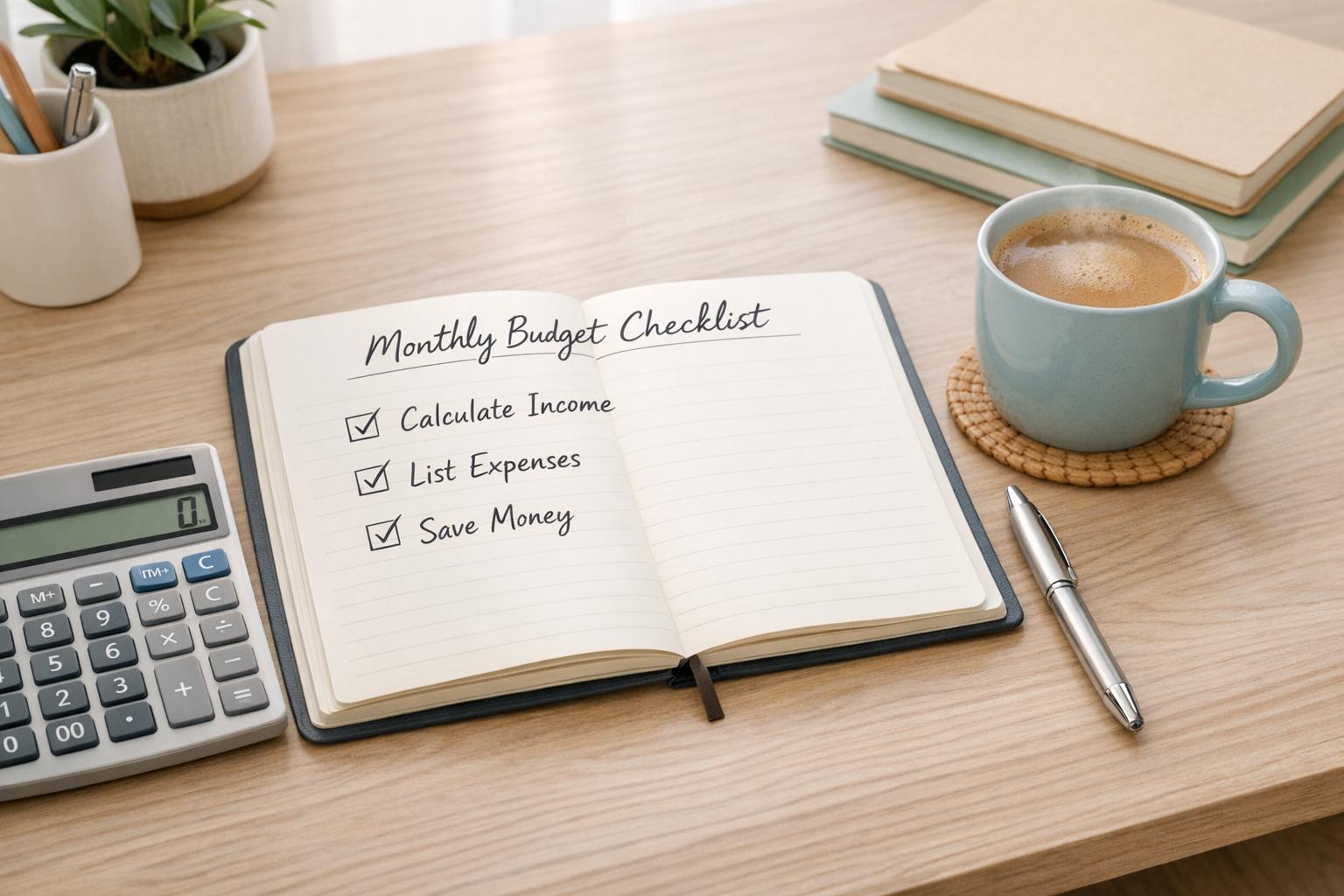
Reviewing and adjusting budgets is an ongoing process that’s essential for maintaining effective money management. A budget is not a static document but a dynamic tool that should be regularly updated to reflect changes in your financial situation and goals.
Start by reviewing your current budget to assess its accuracy. Check if your income and expenses align with your actual spending and saving patterns. If you find discrepancies or areas where you’re overspending, adjust your budget accordingly. This might involve reallocating funds to different categories or setting new spending limits.
Regularly updating your budget helps you stay on track with your financial goals and adapt to any changes in your life, such as a change in income, new expenses, or shifts in financial priorities. Consider setting aside time each month to review your budget and make necessary adjustments to ensure it continues to serve your financial needs effectively.
Conclusion
Implementing these quick finance fixes can significantly enhance your money management and set you on a path to financial success. By reducing unnecessary expenses, automating savings contributions, consolidating debt, and reviewing and adjusting budgets, you can make impactful changes to your financial habits and improve your overall financial health.
Remember, effective money management is about making deliberate and informed decisions that align with your financial goals. By adopting these strategies, you’ll be better equipped to manage your finances, build your savings, and achieve long-term financial stability. Start with these practical steps, and watch as your financial situation transforms for the better.



More Stories
Cards, wallets and casino account payments at Crystalroll: a concise overview of the general principles
Lunarspins – Bonukset, edut ja pelivalikoima: Casino games ja bonusominaisuudet: käytännöllinen katsaus kasinon perustoimintoihin
Crypto and Blockchain: Exploring the Next Wave of Digital Innovation